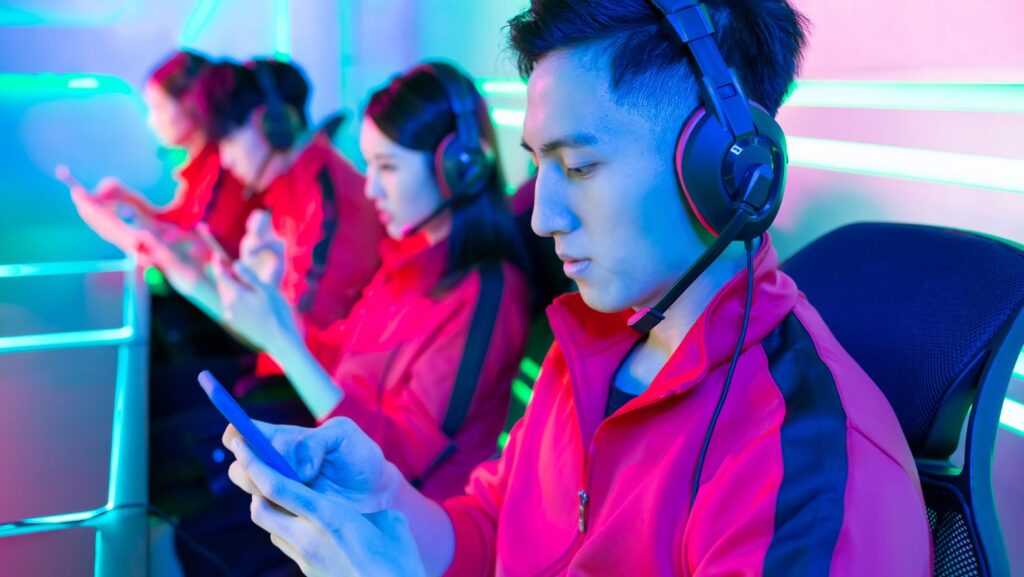

Extended gaming sessions demand more than just skill, they require a setup that keeps your body comfortable and your mind sharp. The average competitive gamer spends 6-8 hours seated during practice and tournaments, and casual players aren’t far behind during weekend marathons. That sustained sitting creates muscle tension, lower back strain, and fatigue that can wreck your reaction time.
Enter the massage gaming recliner: a hybrid piece of furniture engineered to merge therapeutic comfort with gaming-specific functionality. These aren’t your dad’s La-Z-Boys with a controller holder duct-taped to the armrest. Modern massage gaming recliners integrate vibration massage motors, zero-gravity reclining positions, built-in audio systems, and USB charging, all designed to keep you in peak condition during those clutch moments when a millisecond matters.
This guide breaks down everything you need to know about massage gaming recliners in 2026: what separates them from standard gaming chairs, which features actually matter for performance, and how to choose one that fits your budget and gaming style. Whether you’re grinding ranked matches or settling in for a story-driven RPG, the right seating can be the difference between endurance and burnout.
Key Takeaways
- A massage gaming recliner combines vibration massage motors, ergonomic support, and gaming-specific features like built-in speakers and USB charging to enhance comfort during extended play sessions.
- Massage gaming recliners address physical fatigue and muscle tension that standard gaming chairs can’t fully solve, helping gamers maintain focus and reaction time during 6-8+ hour sessions.
- Quality massage gaming recliners range from budget-friendly $300-400 options to premium units above $1,000, with the best value typically found in mid-range models ($450-750) that balance features and durability.
- Proper setup—including screen distance, massage intensity matching to game genre, and cable management—determines whether you actually achieve the ergonomic and performance benefits a massage gaming recliner promises.
- Long-term health benefits like improved circulation, reduced lower back strain, and prevention of postural problems make a massage gaming recliner a worthwhile investment for gamers regularly playing 15+ hours per week.
What Is a Massage Gaming Recliner?
A massage gaming recliner is a specialized seating solution designed for gamers who prioritize both comfort and functionality during extended play sessions. Unlike traditional recliners or standard gaming chairs, these units combine therapeutic massage technology with ergonomic design and gaming-centric features like built-in speakers, cable management, and adjustable positioning.
The massage component typically involves vibration motors strategically placed in the backrest, lumbar region, and sometimes the seat cushion. These motors can target specific muscle groups that experience the most strain during gaming, particularly the lower back, shoulders, and thighs. Most models offer multiple intensity settings and massage patterns, ranging from gentle pulsing to deep kneading simulations.
Key Features That Define Massage Gaming Recliners
Integrated massage systems are the defining characteristic. Entry-level models usually feature 2-4 vibration motors, while premium units can pack 8+ motors with heat therapy capabilities. The massage functions are controlled via side-mounted panels or remote controls, allowing adjustment without interrupting gameplay.
Full recline capability sets these apart from fixed gaming chairs. Most massage gaming recliners offer 90° to 180° recline ranges, with locking positions at multiple angles. This allows gamers to shift from an upright competitive posture during FPS matches to a relaxed, semi-reclined position for story-heavy games or streaming content.
Gaming-specific technology integration includes built-in speakers (often 2.1 or even 4.1 channel setups), subwoofers positioned in the backrest for immersive bass, Bluetooth connectivity, USB charging ports, and cup holders. Some 2026 models have added wireless charging pads in the armrests and RGB lighting that syncs with gameplay.
Ergonomic construction mirrors principles from high-end office chairs and therapeutic seating. Look for contoured backrests that follow the spine’s natural curve, padded armrests with multiple adjustment points, and footrests (manual or motorized) that promote healthy circulation.
How Massage Gaming Recliners Differ from Standard Gaming Chairs
Standard gaming chairs prioritize an upright, race-inspired seating position designed for active competitive play. They typically feature high backrests, aggressive lumbar support, and a firm seat cushion that keeps the pelvis tilted forward for alertness.
Massage gaming recliners take a different approach. The wider seat base and plush cushioning favor comfort over the locked-in feel of racing chairs. The recline functionality means you’re not stuck in one position, crucial for variety during 4+ hour sessions that might include competitive matches, casual exploration, and cutscene viewing.
The massage functionality is the obvious differentiator, but equally important is the footrest. Standard gaming chairs leave your feet planted, which can restrict blood flow during marathon sessions. Massage gaming recliners with extending footrests allow you to elevate your legs, reducing strain on the lower back and improving circulation, a feature borrowed from therapeutic recliners that translates directly to gaming endurance.
Why Gamers Need Massage Gaming Recliners
The physical demands of gaming are easy to underestimate until you hit hour five of a raid or ranked grind and your lower back is screaming. Massage gaming recliners address specific health and performance issues that standard seating can’t fully solve.
Combat Gaming Fatigue and Muscle Tension
Static postures create localized muscle fatigue faster than most gamers realize. When you’re locked into a competitive match, your shoulders naturally creep upward, your neck juts forward toward the screen, and your lower back loses its natural curve. Hold that position for 90 minutes and the muscle tension becomes a distraction, one that directly impacts reaction time and decision-making.
The vibration massage functions in these recliners target the exact pressure points that accumulate tension. A 10-15 minute massage cycle between matches can reduce muscle stiffness by stimulating blood flow to fatigued areas. Many gamers report using the massage function during queue times, loading screens, or between rounds in games like Valorant or CS2, effectively turning downtime into recovery periods.
Heat therapy (available in mid-to-premium models) adds another layer of relief. The lumbar heating pads work particularly well for gamers who experience chronic lower back discomfort, helping muscles stay relaxed even during intense clutch situations.
Enhance Focus and Gaming Performance
Physical discomfort is a cognitive drain. When your body is uncomfortable, a portion of your mental bandwidth is constantly allocated to processing that discomfort, bandwidth you’d rather spend tracking enemy movements or managing cooldowns.
Massage gaming recliners minimize that cognitive load. The ability to adjust your position throughout a session means you’re not fighting your chair: you can shift to a reclined position during less intense moments, then return to an upright posture when things heat up. This position variety prevents the creeping fatigue that builds when you’re locked in one posture for hours.
The built-in audio systems also contribute to performance, particularly in games where spatial audio matters. Many gaming hardware reviews note that immersive audio setups improve reaction time in competitive shooters by helping players locate enemy positions through sound cues. Having speakers positioned near your head in the recliner’s backrest creates a more immediate audio experience than distant monitor speakers or even some headsets, without the ear fatigue that comes from wearing headphones for 6+ hours.
Long-Term Health Benefits for Extended Gaming Sessions
The immediate comfort is nice, but the long-term health implications matter more. Prolonged sitting is linked to a range of issues: deep vein thrombosis risk from restricted blood flow, chronic lower back pain from poor lumbar support, and postural problems from sustained forward head positioning.
Massage gaming recliners with proper ergonomic design and footrest functionality address these concerns. Elevating your legs while gaming reduces pressure on the lower back by allowing the spine to decompress. The massage functions, while not a replacement for physical therapy, do promote circulation and can help prevent the muscle adhesions that develop from repetitive strain.
For streamers and content creators who regularly hit 8-12 hour days, the investment in proper seating isn’t luxury, it’s injury prevention. Wrist strain gets all the attention in gaming health discussions, but spinal health deserves equal focus.
Top Features to Look for When Choosing a Massage Gaming Recliner
Not all massage gaming recliners are created equal, and the market in 2026 spans from $300 budget models to $2,000+ luxury units. Here’s what actually matters when evaluating options.
Massage Functions and Intensity Settings
Motor count and placement determine effectiveness. Budget models (2-4 motors) typically focus on the lumbar region only, helpful but limited. Mid-range options (4-6 motors) add coverage to the upper back and thighs. Premium units (8+ motors) offer full-body coverage including neck, shoulders, lumbar, thighs, and calves.
Intensity control is equally important. Fixed-intensity massage gets old fast: you’ll want at least 3-5 adjustable levels to match your needs. Some 2026 models have introduced zone control, letting you activate specific motor groups independently, useful when you only need lumbar relief but don’t want the distraction of upper-body vibration during gameplay.
Massage patterns add variety. Look for units offering multiple modes: wave (sequential activation moving up or down the back), pulse (rhythmic on-off), and continuous. Some premium models include pre-programmed cycles designed for specific purposes (“gaming mode” with gentle continuous massage vs. “recovery mode” with more aggressive patterns).
Heat therapy is a premium feature worth considering. Lumbar heating pads typically operate independently from massage motors, and they’re particularly effective for cold-weather gaming or chronic lower back issues.
Reclining Angles and Adjustability
Recline range determines versatility. A 90°-135° range covers basic gaming needs, upright for competitive play, slightly reclined for casual gaming. A 90°-170° range adds serious relaxation capability, letting you go nearly flat for movie watching or post-session recovery. Full 180° recline (zero-gravity position) is overkill for most gamers unless you’re using the chair for non-gaming relaxation too.
Mechanism quality matters more than recline range. Manual recliners use a lever system, reliable but requires you to manually adjust. Motorized recliners offer button-controlled positioning, which sounds convenient but adds mechanical complexity and failure points. For pure gaming use, manual mechanisms are often the better choice unless you have mobility concerns.
Locking positions should be clearly defined. Some cheaper recliners have vague locking mechanisms that drift under body weight during intense gaming moments, frustrating when you’re trying to maintain a specific posture.
Material Quality and Durability
Upholstery choices typically include PU leather (affordable, easy to clean, but can crack after 2-3 years), bonded leather (middle ground, slightly better longevity), and genuine leather (premium pricing, excellent durability). For gaming specifically, PU leather often makes the most sense, it’s easy to wipe down after snack spills and doesn’t require the maintenance genuine leather demands.
Breathability is underrated. Many gamers run hot during intense sessions, and solid leather can become uncomfortable. Look for perforated panels in high-contact areas or mesh inserts that improve airflow.
Frame construction determines long-term durability. Steel frames with reinforced stress points handle years of recline cycling and weight shifts. Cheaper frames use mixed materials (steel primary supports with wooden components) that can develop creaks and wobbles over time.
Cushion density affects both comfort and lifespan. High-density foam (50+ kg/m³) maintains shape and support for years. Low-density foam in budget chairs compresses quickly, leaving you sitting on a hard base within 12-18 months.
Built-In Speakers, USB Ports, and Gaming-Specific Tech
Built-in audio systems range from gimmicky to genuinely useful. Basic 2.0 setups (two speakers in the headrest) work for casual audio but lack depth. 2.1 systems (two speakers plus subwoofer) deliver much better immersion, particularly in the bass-heavy sound design of modern games. Premium 4.1 systems (four speakers plus sub) create spatial audio that rivals mid-tier gaming headsets.
Bluetooth connectivity is standard in 2026 models, but check the version, Bluetooth 5.0+ offers better range and stability. Wired audio inputs (3.5mm aux or RCA) provide alternative connection options if Bluetooth introduces latency issues in competitive scenarios.
USB charging ports should be easily accessible on the armrest or side panel. Look for at least two USB-A ports plus one USB-C port for modern device compatibility. Fast charging capability (18W+) is a nice bonus for keeping phones and controllers topped up.
RGB lighting has crept into gaming recliners, though it’s more aesthetic than functional. If you’re into the gaming den aesthetic, sync-capable RGB that responds to audio or can be controlled via app might add value. Otherwise, it’s power draw and potential distraction.
Cable management systems separate thoughtful designs from afterthoughts. Look for channels or clips that route power cables, audio cables, and charging cables neatly without creating a tangled mess under your chair.
Weight Capacity and Size Considerations
Weight capacity shouldn’t be ignored even if you’re well under the limit. A chair rated for 250 lbs will wear faster under a 220 lb user than a chair rated for 350 lbs at the same weight. Higher capacity ratings generally indicate more robust construction.
Physical dimensions matter for both the user and the space. Measure your available floor space before ordering, remember that recliners need clearance behind them (typically 12-24 inches depending on recline range). Fully extended, many massage gaming recliners occupy 6-7 feet of length.
Seat width and depth determine fit. Narrow seats (18-20 inches) suit smaller frames but feel cramped for larger users. Standard seats (20-22 inches) fit most adults comfortably. Wide seats (22-24+ inches) accommodate larger builds or gamers who like to sit cross-legged.
Armrest dimensions and adjustability affect controller comfort. Look for armrests wide enough to support your full forearm, with height adjustment that lets you maintain a neutral shoulder position while gaming.
Best Massage Gaming Recliners in 2026
The massage gaming recliner market has matured significantly, with options across every price bracket. Here’s what stands out this year based on feature sets, build quality, and real-world gaming use.
Premium Options for Serious Gamers
X Rocker Pro Series H3 ($1,299-$1,499) dominates the high-end space. It packs a 4.1 audio system with a 10-inch subwoofer, 8-motor massage coverage from neck to thighs, independent zone control, and lumbar heat therapy. The frame supports up to 350 lbs and the motorized recline system offers memory positions, you can save your preferred angle for competitive play and recall it instantly. The PU leather with ventilated panels addresses heat buildup during long sessions. Build quality is exceptional: this chair handles years of heavy use without developing the creaks common in cheaper models.
GTRACING GT099 ($899-$1,099) offers premium features at a more accessible price point. The 2.1 audio system isn’t as immersive as the X Rocker’s 4.1 setup, but it’s perfectly adequate for most gaming scenarios. Six massage motors cover lumbar, mid-back, and thigh regions with three intensity levels. The manual recline mechanism (90°-160°) is smooth and reliable. Notably, the GTRACING includes dual USB-C ports alongside standard USB-A, a forward-thinking addition as more peripherals adopt USB-C charging.
Ficmax Ergonomic Gaming Recliner ($799-$999) carves out a niche with its focus on adjustability. Beyond standard recline, it offers adjustable lumbar depth, retractable footrest with angle control, and 4D armrests (height, forward/back, angle, lateral movement). The 4-motor massage system is basic compared to premium competitors, but the ergonomic flexibility makes this a strong choice for gamers with specific posture needs or existing back issues.
Mid-Range Massage Gaming Recliners with Great Value
Homall Gaming Recliner Chair ($449-$549) delivers impressive functionality for the price. The 4-motor massage system with heat focuses on the lumbar region, limited coverage, but the motors are positioned well and offer decent intensity. The 2.0 speaker system handles casual audio: you’ll want headphones for competitive play, but it’s fine for single-player campaigns. The manual recline (90°-150°) locks at multiple positions without wobble. At this price point, the Homall represents the sweet spot for most casual gamers.
Dowinx Gaming Recliner ($399-$499) prioritizes comfort over tech features. Massage functionality is basic (2 motors, lumbar only, two intensity levels), and there’s no built-in audio system. But the cushioning is exceptional, high-density foam with a memory foam lumbar pillow that actually provides meaningful support. The USB charging port, extended footrest, and quality PU leather make this a solid choice if massage and audio aren’t priorities.
VON RACER Massage Gaming Chair ($479-$579) splits the difference. Four massage motors with heat therapy, basic 2.0 audio system, manual recline to 155°, and a retractable footrest. The build quality is respectable, steel frame, decent cushion density, but not quite at the level of premium units. Components from technology buying guides frequently cite the VON RACER as a reliable mid-tier option that rarely experiences mechanical failures within the first two years.
Budget-Friendly Picks for Casual Gamers
BestOffice Gaming Recliner ($299-$369) is the entry point for massage gaming recliners. You get basic massage functionality (2 motors, lumbar region, fixed intensity), manual recline to 135°, a retractable footrest, and one USB charging port. There’s no built-in audio, and the PU leather quality is noticeably cheaper than mid-range options. But for casual gamers who play 5-10 hours per week and want a taste of massage functionality without major investment, it does the job.
KILLABEE Gaming Recliner ($349-$429) upgrades the budget experience with better build quality and a 2-motor massage system that offers adjustable intensity. The cushioning is adequate but will compress faster than premium options. The manual recline mechanism feels less refined than pricier chairs but functions reliably. The KILLABEE’s strength is durability at this price point, user reports indicate it holds up well with regular use.
Blue Whale Gaming Chair ($279-$329) targets extreme budget consciousness. Massage functionality is minimal (single motor, fixed intensity), there’s no footrest extension, and recline range is limited to 120°. The cushioning is thin and the frame supports only 250 lbs. But if you’re primarily looking for a comfortable reclining gaming chair and the massage function is just a bonus feature, the Blue Whale provides acceptable basic functionality.
How to Set Up Your Massage Gaming Recliner for Optimal Gaming
Buying the right massage gaming recliner is half the equation. Proper setup and configuration determine whether you actually get the ergonomic and performance benefits these chairs promise.
Ideal Placement and Distance from Your Screen
Screen distance depends on display size and resolution. For 24-27 inch monitors (common for competitive PC gaming), position your recliner 24-36 inches from the screen. This distance lets you maintain a slightly reclined posture while keeping the entire display in your field of view without excessive head movement.
32 inch+ monitors or TVs require greater distance, typically 4-6 feet for comfortable viewing without neck strain. At this distance, you’ll want a wireless controller setup or a controller extension cable if you’re gaming on PC.
Screen height matters as much as distance. The top third of your display should sit at or slightly below eye level when you’re in your standard gaming posture. If your recliner positions you lower than a standard desk chair, you might need to lower your monitor mount or TV stand accordingly.
Angle considerations: remember that your viewing angle changes as you recline. Position your screen with a slight downward tilt (5-10°) so that when you shift to a more relaxed recline during cutscenes or casual gameplay, you’re not craning your neck upward.
Lighting in your gaming space affects eye strain. Position your recliner to avoid screen glare from windows or overhead lights. If you’re dealing with unavoidable light sources, bias lighting behind your monitor reduces eye fatigue during long sessions.
Adjusting Massage Settings for Different Game Genres
Not all gaming sessions demand the same approach to massage functionality. Matching massage settings to gameplay intensity improves both comfort and performance.
Competitive multiplayer (FPS, MOBA, fighting games) requires full focus. Many gamers find that active massage during intense matches is distracting, the vibration can subtly affect aim or reaction time. The smart approach: run a massage cycle during queue times, loading screens, or between matches, then disable it during active play. Use lower intensity settings if you do keep massage active, focusing on lumbar support only.
Story-driven single-player games (RPGs, adventure games) allow for more relaxed postures and continuous massage use. Gentle, continuous massage modes work well here, they prevent tension buildup during extended sessions without creating distraction. This is also when you can take advantage of fuller recline angles and the footrest, particularly during dialogue-heavy or cinematically dense sections.
Strategy and simulation games fall somewhere in the middle. The pacing allows for massage use, but you’ll want to avoid higher intensity settings during critical decision moments. Wave or pulse patterns work better than continuous vibration for these genres, they provide relief without becoming background noise that you’re constantly aware of.
Racing and rhythm games present an interesting case. Some players find that subtle massage actually enhances immersion in racing games, adding to the sensation of movement and vibration. For rhythm games, but, massage should generally be disabled, any external vibration can throw off timing.
Heat therapy can run continuously across all genres. The gentle warmth doesn’t create distraction and helps maintain lower back relaxation throughout your session.
Pairing Your Recliner with Gaming Accessories
Accessory placement and cable management make or break the massage gaming recliner experience.
Controller and keyboard/mouse setup: If you’re PC gaming from a recliner, you’ll need a stable surface for mouse and keyboard. Lap desks designed for gaming work well, particularly models with mouse pads that extend to the armrest for stable tracking. Alternatively, wireless controllers let you take full advantage of the recliner’s recline range. Devices highlighted in pro player settings typically include low-latency wireless options that perform identically to wired setups in competitive scenarios.
Headset considerations: Built-in recliner speakers are convenient, but serious gaming often demands headsets for voice chat and spatial audio precision. Look for wireless headsets with 20+ hour battery life so you’re not constantly recharging. If you’re using wired headsets, make sure the cable length accommodates your reclining positions, 6-foot cables can become too short when you’re fully reclined.
Cable management: Route charging cables, headset cables, and any wired peripherals through your recliner’s cable channels. Loose cables become trip hazards and get pinched by reclining mechanisms. Use velcro cable ties to bundle and secure cables at key points.
Side tables and drink holders: While many recliners include cup holders, a small side table provides better storage for controllers, snacks, and phones. Position it on your dominant hand side for easy access without disrupting your gaming posture.
Footrest optimization: If your recliner has an adjustable footrest, experiment with angles. A slight upward angle (10-15°) is generally more comfortable than a flat position and promotes better circulation. Some gamers prefer the footrest at or slightly above hip level to fully decompress the lower back.
Lighting and RGB coordination: If you’re building a complete gaming den aesthetic, coordinate your recliner’s RGB lighting (if equipped) with your desk setup, monitor backlighting, and room lighting. Smart bulbs or LED strips on app control let you create unified color schemes or sync everything to on-screen action.
Maintenance and Care Tips for Your Massage Gaming Recliner
Massage gaming recliners contain both upholstery and electronics, requiring maintenance in both areas to maximize lifespan. Neglect one and you’ll either end up with a clean chair that doesn’t function or a working chair that looks and smells rough.
Cleaning and Protecting Upholstery
PU leather maintenance is straightforward but essential. Wipe down all surfaces weekly with a damp microfiber cloth to remove skin oils, dust, and food debris. For deeper cleaning, use a PU leather cleaner every 2-3 months, avoid harsh chemicals or alcohol-based cleaners that can dry out and crack the material.
Spill response matters. PU leather resists liquid penetration initially, but you still need to wipe spills immediately. Gaming drinks (energy drinks, soda) are particularly problematic, the sugar content creates sticky residues that attract more dirt if not fully cleaned.
Fabric upholstery (less common but present on some models) requires different care. Vacuum weekly with an upholstery attachment to prevent dust and debris from settling into the weave. Spot-clean stains immediately with fabric-appropriate cleaners. Consider fabric protector spray applied every 6 months to resist stains and liquid absorption.
Odor control becomes relevant after months of regular use. Fabric deodorizing sprays work for mild odors. For deeper issues, sprinkle baking soda on fabric surfaces, let it sit for 2-3 hours, then vacuum thoroughly. For PU leather, wipe down with a solution of equal parts water and white vinegar, then dry completely.
Preventive protection: If you eat frequently while gaming, consider a removable cover or throw blanket for high-contact areas. While it compromises the aesthetic slightly, it dramatically reduces direct wear and staining on the chair itself.
Sun exposure degrades upholstery materials over time. If your gaming space has windows, position your recliner out of direct sunlight or use curtains during peak sun hours. UV exposure fades colors and accelerates PU leather cracking.
Maintaining Massage Motors and Electronic Components
Massage motors are generally durable, but they do accumulate wear over time. Most failures come from overuse at maximum intensity or debris intrusion rather than normal operation.
Usage patterns: While it’s tempting to run massage functions constantly, motors last longer with intermittent use. Stick to 15-30 minute cycles rather than continuous hours-long operation. Most massage motors are rated for 5,000-10,000 hours of operation, spreading that across shorter sessions extends lifespan.
Intensity moderation: Running motors at maximum intensity constantly accelerates wear on internal components. Use higher intensities when you need them, but default to medium settings for regular use.
Debris prevention: The motor housings are typically sealed, but dust and debris can infiltrate through speaker grilles and cable openings. Vacuum around speaker areas and control panels monthly using a low-power setting or brush attachment. Avoid liquid cleaners near electronic components.
Cable and connection care: Check power cables and audio cables quarterly for wear, particularly at stress points where cables enter the chair. Frayed cables create shock risks and should be replaced immediately. If your recliner has removable cables, unplug and firmly reconnect them annually to prevent corrosion on connectors.
Control panel maintenance: Buttons and controllers accumulate skin oils and grime. Clean control panels monthly with a slightly damp cloth and immediately dry. Avoid excessive moisture around buttons that could seep into the electronics.
Speaker maintenance: Built-in speakers rarely require maintenance, but blown speakers do happen if you consistently run audio at maximum volume. Keep volume at 70-80% of maximum to preserve speaker cones and extend lifespan.
Reclining mechanism care: Whether manual or motorized, reclining mechanisms need occasional lubrication. For manual mechanisms, apply silicone spray to pivot points and lever mechanisms annually. For motorized recliners, check manufacturer guidelines, some systems are sealed and don’t require user lubrication, while others benefit from periodic attention.
Weight distribution: Avoid jumping or dropping heavily into your recliner. Excessive shock loads can damage massage motors, reclining mechanisms, and frame joints. The occasional hard landing won’t ruin the chair, but making it a habit accelerates wear.
Firmware updates: Some 2026 models with app connectivity receive firmware updates that improve massage patterns, fix bugs, or add features. Check manufacturer websites or apps quarterly for available updates.
Common Issues and Troubleshooting
Even quality massage gaming recliners develop issues over time or arrive with minor defects. Most problems have straightforward solutions that don’t require professional repair or replacement.
Massage motors not activating: First, verify the power connection is secure and the outlet is functioning. Check that the massage control panel is properly connected to the chair’s internal wiring, connections can loosen during shipping or if you’ve moved the chair. If specific motors don’t work while others do, you likely have a wiring issue or a failed motor. Check warranty coverage before attempting DIY repair on motor issues.
Weak or inconsistent massage intensity: This often indicates motor wear rather than failure. Motors gradually lose power over thousands of hours of use. If your chair is past warranty and massage intensity has declined gradually, motor replacement might be necessary. If the decline is sudden, check for objects wedged against the chair back that could be dampening vibration transmission.
Audio system issues: No sound output usually means the audio cable is disconnected, damaged, or the Bluetooth pairing failed. For wired audio, verify the cable is fully inserted at both the chair and source device. For Bluetooth, unpair and re-pair the devices. If you hear crackling or distortion, the audio cable is likely damaged, replacement cables are inexpensive and widely available. Blown speakers produce rattling or absent audio at certain frequencies: this requires speaker replacement or professional repair.
Reclining mechanism stuck or difficult to operate: Manual mechanisms can become stiff if pivot points dry out. Apply silicone spray lubricant to moving parts and work the mechanism through its full range several times. For motorized recliners, a stuck mechanism often indicates a motor failure, obstruction, or power issue. Check for objects blocking the mechanism’s path and verify power connections before assuming motor failure.
USB ports not charging: Loose internal connections are the common culprit. If the USB module is accessible, check that the connection to the main power supply is secure. Some chairs have a master power switch or fuse that affects USB ports independently from massage functions, verify these are functioning. If specific ports don’t work while others do, you likely have a failed port that requires replacement of the USB module.
Unpleasant odors: New chairs often have a factory smell that dissipates within a few weeks. Ventilate the room and allow the chair to air out. Persistent odors after extended use usually come from sweat, food particles, or pet hair absorbed into cushioning. Deep clean the upholstery and apply fabric refresher. If the smell seems to come from within the cushions (not just surface), the foam may have absorbed moisture and developed mildew, this requires professional cleaning or cushion replacement.
Creaking or squeaking sounds: New chairs rarely squeak: this develops over time as joints settle and components wear. Identify the source by applying pressure to different areas while someone listens. Metal-on-metal squeaks respond well to silicone spray on pivot points and bolts. Plastic-on-plastic sounds may require plastic-safe lubricant. If squeaking comes from the frame, check that all bolts and fasteners are properly tightened, loose connections create movement and noise.
Cushion compression: High-density foam retains shape for years, but lower-quality foam compresses relatively quickly, especially in high-contact areas like the seat cushion. There’s no real fix for compressed foam except replacement. Some manufacturers offer replacement cushions: otherwise, aftermarket foam or custom upholstery shops can rebuild cushions. Prevention is key: alternate sitting positions when possible and avoid storing heavy objects on the chair.
Fabric tears or PU leather cracking: Small tears in fabric can be patched with fabric glue or iron-on patches. PU leather cracks are harder to address, leather repair kits can mask small cracks temporarily, but the damage is essentially permanent. Prevention through regular conditioning and avoiding sun exposure is the only long-term solution.
Electrical interference or buzzing: Some massage gaming recliners produce electrical hum or interfere with nearby electronics when massage motors run. This usually indicates a grounding issue or poor internal shielding. If the buzz is loud enough to be disruptive, contact the manufacturer, quality units shouldn’t create significant electrical noise.
Weight capacity concerns: If your recliner begins to feel unstable or develops creaking that wasn’t previously present, verify you’re within the stated weight capacity and that you haven’t added significant weight (weighted blankets, multiple people sitting on the chair). Exceeding weight limits accelerates wear on frame components and reclining mechanisms.
Massage Gaming Recliners vs. Other Gaming Seating Options
The gaming seating market offers distinct options, each with specific strengths and weaknesses. Understanding where massage gaming recliners fit in the landscape helps clarify whether they’re the right choice for your setup and gaming style.
Massage Gaming Recliners vs. Standard Gaming Chairs
Standard gaming chairs (racing-style, ergonomic office chairs) prioritize active posture and desktop gaming. They keep you upright, locked in, and engaged, ideal for competitive play where alertness matters. The firm cushioning and aggressive lumbar support prevent slouching but can become uncomfortable during sessions beyond 3-4 hours.
Massage gaming recliners trade some of that locked-in stability for versatility and long-session comfort. The wider seat, plush cushioning, and recline options make them better suited for mixed gaming sessions that include both competitive play and relaxed single-player gaming. The massage functionality actively addresses muscle fatigue in ways standard chairs can’t.
The desk clearance issue matters. Standard gaming chairs slide under desks, preserving floor space when not in use. Massage gaming recliners are standalone pieces that occupy dedicated floor space, you need room for them. This makes standard chairs better for smaller spaces or shared rooms.
Price comparison: quality standard gaming chairs range from $200-$600 for most gamers’ needs. Massage gaming recliners start around $300 but really hit their stride in the $450-$1,500 range. You’re paying more, but you’re also getting massage functionality and built-in audio that standard chairs don’t offer.
Massage Gaming Recliners vs. Racing-Style Gaming Seats
Racing-style gaming seats (bucket seats with wheeled frames) create an immersive experience for driving and flight simulations. They position you lower and more reclined than standard gaming chairs, with aggressive side bolsters that hold you in place during racing movements.
Massage gaming recliners can’t match that racing-specific immersion. If you primarily play sim racing titles and have a wheel/pedal setup, a dedicated racing seat makes more sense. The bolstering and seating position are engineered for that specific use case.
But, racing seats are terrible for general gaming. The aggressive bolsters that work for racing become constraining for FPS or strategy games where you need freedom of movement. The reclined position that’s perfect for racing makes desktop work awkward.
Massage gaming recliners provide better versatility. You can game, work, watch content, and relax, all from one chair. If racing games are 20% of your gaming time rather than 80%, the recliner’s do-everything approach serves you better.
Massage Gaming Recliners vs. Bean Bags and Floor Rockers
Bean bags and floor rockers represent the ultra-casual end of gaming seating. They’re affordable ($50-$200), portable, and create a relaxed gaming vibe. Some floor rockers include built-in speakers and vibration functionality.
The comfort is deceptive though. Bean bags provide no real lumbar support, your spine is in continuous flexion while sitting in them. Fine for an hour, problematic for marathon sessions. Floor rockers are slightly better but still position you on the floor, which creates viewing angle issues for TV gaming and makes it harder to maintain healthy posture.
Massage gaming recliners provide legitimate ergonomic support that bean bags and floor rockers can’t match. The elevated seating position is healthier for your spine and creates better viewing angles. The massage functionality actively promotes muscle relaxation, where bean bags passively let you sink into unsupported positions.
That said, bean bags and floor rockers win on portability and space flexibility. If you live in a dorm or small apartment where you need to move furniture regularly, their lightweight design is advantageous. Massage gaming recliners are furniture investments that stay put.
Price-wise, quality massage gaming recliners cost 3-10x more than bean bags or floor rockers. If your gaming budget is tight and you’re not experiencing discomfort from your current seating, the less expensive options might be adequate for now.
Conclusion
Massage gaming recliners solve a specific problem: the physical toll of extended gaming sessions. They’re not essential for everyone, if you’re gaming 5-10 hours per week and feel comfortable in your current setup, your money might be better spent on other gear upgrades. But for gamers regularly hitting 15+ hour weeks or anyone experiencing back pain, muscle tension, or fatigue during long sessions, the investment makes sense.
The market in 2026 offers solid options across price brackets. Budget-conscious gamers can find functional massage recliners around $300-$400 that provide basic massage functionality and decent comfort. Mid-range options in the $450-$750 range deliver the best value, with meaningful massage capabilities, built-in audio, and build quality that’ll last years. Premium units above $1,000 are worth it if you want comprehensive massage coverage, high-end audio systems, and luxury materials, but they’re overkill for casual use.
The key is matching the chair to your actual gaming habits and space constraints. Console gamers with dedicated gaming spaces get maximum value from massage gaming recliners. PC gamers need to carefully consider desk placement and whether they’re willing to adapt their setup. Competitive players should think critically about whether the reclined posture serves their play style or if a standard gaming chair’s upright focus is better.
Long-term health implications matter more than immediate comfort. The ability to vary your posture throughout a session, elevate your legs to improve circulation, and actively address muscle tension through massage functionality isn’t just about feeling good right now, it’s about preventing the chronic issues that develop from years of gaming in poor postures. Your future self will appreciate the investment in proper seating more than your current self appreciates another peripheral upgrade.